Tokyo with Teenagers: Our Top 6 Things to See and Do
Tokyo was the first stop on our Japan rail adventure, and what a way to begin! We visited with our teenage kids, and from the moment we arrived, we were swept up in the energy of this extraordinary city.
Vibrant, colourful and endlessly exciting, Tokyo seems to have something for everyone. From neon-lit streets and futuristic technology to peaceful temples, quirky neighbourhoods and incredible food, there is never a dull moment. We quickly realised that there was far more to see and do than we could possibly fit into one visit.
After exploring the city as a family, I’ve put together my top five things to see and do in Tokyo — the places and experiences that really stood out for us and that I’d recommend including in your itinerary.
1. Tokyo Skytree
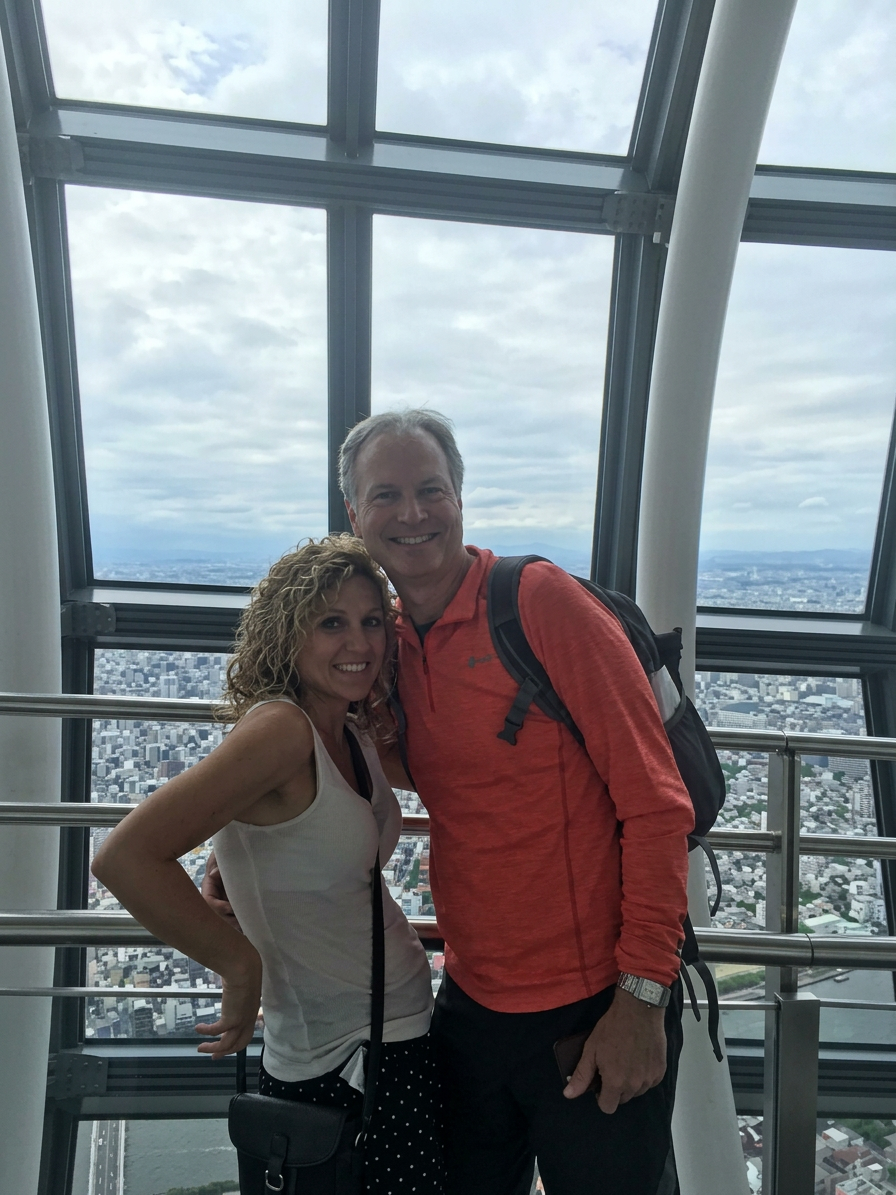
Our Tokyo adventure started with a visit to Tokyo Skytree, the tallest tower in Japan and one of the tallest structures in the world. It has two observation decks, at 350 metres and 450 metres, offering spectacular views across the vast city below.
We went up to the 350-metre observation deck which offered an incredible panorama. Looking down over Tokyo really gives you a sense of just how enormous the city is. From this height, cars and people look like tiny dots, while the buildings seem to stretch endlessly into the distance, packed tightly together as far as the eye can see.
On a clear day, you can even spot Mount Fuji on the horizon. Unfortunately, we weren’t quite that lucky during our visit, but the views were still spectacular and made this a fantastic introduction to Tokyo.
Top tip: Unless you particularly want to experience the highest viewing platform, we felt the 350-metre deck offered more than enough height and an amazing view without the additional cost.
Another tip: If you’re visiting Asakusa as well, the two attractions work really well together. You can visit Senso-ji Temple and explore the traditional streets of Asakusa before making your way to Skytree. Tokyo Skytree is around a 15-minute walk from Asakusa, or just a few minutes by train.
Getting there – The two most convenient stations are Tokyo Skytree Station, served by the Tobu Skytree Line, and Oshiage (Skytree) Station, which is served by several lines including the Tokyo Metro Hanzomon Line and Toei Asakusa Line. Both are just a short walk from the tower.
2. Shibuya Crossing
Visit Shibuya, known as the busiest pedestrian intersections of crossings in the world. About 3,000 people cross the intersection every two minutes and it will give you a real insight into the busy, frenetic life of Tokyo.
Top tip – see it from above from the 2nd floor of Starbucks in the east mall on the third floor. Alternatively step out into the elevated glass walkway right next to Starbucks that connects the JR Shibuya station to the Keir Irokashire Line.
To get there travel to Shibuya station and exit via the Hachiko exit.
3. Watch Sumo Wrestlers Train

I have to admit, I wasn’t expecting to particularly enjoy a visit to see sumo wrestlers training — but I couldn’t have been more wrong!
We visited a sumo stable and arrived at around 8am, just as the morning training session was getting underway. We were able to sit just a few feet from the ring, giving us an amazing view of the wrestlers as they went through their gruelling training routines.
The two hours absolutely flew by. What struck me most was the incredible perseverance, strength and discipline of these athletes. Watching them train at such close quarters gave us a fascinating insight into a part of Japanese culture that we might otherwise have missed.
This was one of those experiences that I probably wouldn’t have chosen for myself, but ended up being one of our favourite things we did in Tokyo.
Top tip -There are organised tours that allow you to go inside the stable and watch the wrestlers from close quarters. For example, the Tokyo Chuo City Tourism Association currently offers a guided Arashio Beya morning-practice tour, with visitors seated inside the stable from around 8am.
Another tip Arashio-beya Sumo Stable is at 2-47-2 Nihonbashihamacho, Chuo City. The nearest station is Hamacho Station on the Toei Shinjuku Line, from which it is about a one-minute walk. Ningyocho and Suitengumae stations are also within walking distance.
4. Spend Time with a Geisha
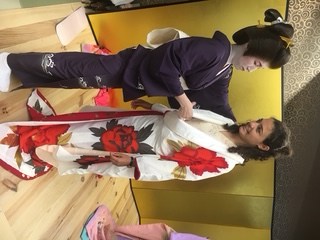
We spent a lovely afternoon with a geisha. She was beautifully dressed in an exquisite kimono and was warm, friendly and incredibly engaging throughout our visit.
She entertained us by singing, playing traditional musical instruments and dancing, and we also had the chance to join in with some traditional Japanese games as a family. One of the highlights was being able to choose our own kimonos and get dressed up ourselves, which was great fun for all of us. It gave us a fascinating glimpse into traditional Japanese culture and the world of the geisha, including the important role these women have historically played in Japanese society.
It was a memorable and very different experience from the more modern, high-energy side of Tokyo — and one that gave us a chance to slow down and experience a little of Japan’s traditional culture.
Top tip – Tokyo Geisha Experience based in Mukojima, close to Tokyo Skytree. lasts approximately two hours
Another tip – Sakusa is probably the easiest area for visitors to explore, with organised performances and more intimate experiences available. You can watch traditional dancing, listen to shamisen music, play Japanese ozashiki games and, with some experiences, spend time talking with a geisha.
5. Breakfast at Tsukiji Outer Market
Breakfast at Tsukiji Outer Market is something you shouldn’t miss! This bustling market is packed with wonderful street-food stalls, food shops and little alleyways serving incredibly fresh seafood and Japanese snacks.
For the best experience, try to get there between 7am and 10.00 am, when the market is at its liveliest. There is an amazing choice of food, but make sure you try the tuna, sushi and sashimi — the freshness is incredible. And, of course, don’t forget the wasabi! Even our teenage daughters thought the food was so amazing it was worth getting up early for.
Be warned: the streets are narrow, busy and crowded, and the combination of sights, sounds and smells can feel like complete sensory overload. Come hungry and take your time wandering through the market, stopping whenever something catches your eye.
Tsukiji’s inner wholesale market moved to Toyosu in 2018, but the Tsukiji Outer Market remains open and is still a popular place to eat and shop.
Top Tip -Tsukiji Outer Market is easy to reach by public transport. The closest stations are Tsukiji Station on the Tokyo Metro Hibiya Line and Tsukijishijo Station on the Toei Oedo Line. Both are only about a one-minute walk from the market. Higashi-ginza Station is another option and is around a five-minute walk away.
Another tip: Go early if you want the full breakfast experience, but check the opening times of individual stalls before you visit, as they vary. The market’s official guidance also asks visitors not to eat while walking through the narrow streets — use the shop or designated eating areas instead
6. Discover the Art of Origami
Just a short walk from Senso-ji Temple, we visited the Tokyo Origami Museum at 1-31-5 Honjo, Sumida-ku. It has a permanent collection showcasing this fascinating Japanese art of paper folding. Our girls loved this but I hadn’t appreciated until seeing what could actually be created from a simple piece of paper.
We were amazed by the incredible variety of designs on display, from delicate flowers and intricate animals to geometric shapes, all made from brightly coloured paper. The level of detail and precision was astonishing.
The shop is also a great place to pick up some beautiful origami paper if you’d like to have a go yourself. There are also origami lessons available, so you can learn some of the techniques and create your own pieces to take home.
It was a lovely little discovery and a great way to experience a quieter, more traditional side of Japanese culture away from Tokyo’s bright lights and busy streets.
Top tip -The museum is also currently open 9:30am–5:30pm, with free admission, and sells origami paper and books. Origami classes and workshops are also offered.

